Store promises: the deception that destroys trust
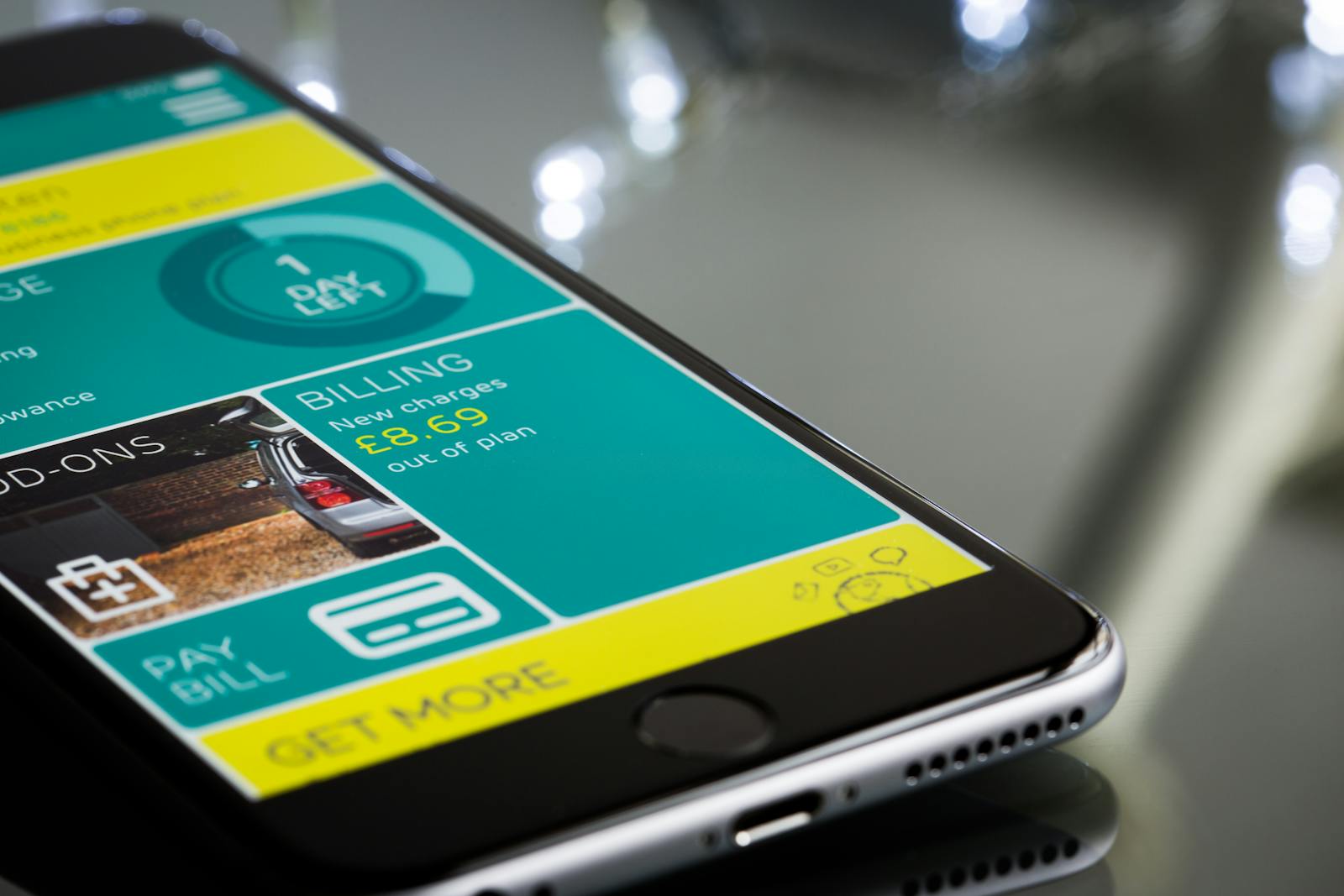
Massive promises. Heavily retouched screenshots. AI everywhere. Everything looks incredible. Then the user downloads… a…
 Mickael Romaniello
30 minutes, no slides, nothing to prepare.
Mickael Romaniello
30 minutes, no slides, nothing to prepare.
Discover why publishing an Apple app can take time and how to anticipate blocks related to features and infrastructure.
One of the most frequent questions is always about launch timelines. Many business owners expect an immediate release on Apple's platform. The most important factor is understanding that the answer depends entirely on the nature and complexity of your project.
Some very basic apps can be published quickly. A simple calculator or a static catalog can go live in a few days. These products handle no personal data and carry no risk. They can go live in 3 to 5 days. But this type of request rarely matches the real needs of modern businesses.
Your customers expect a high level of interactivity and personalization. Your business goals require more technical complexity. This is exactly where timelines start to stretch. According to Apple's App Store Review Guidelines (2024), every application is manually reviewed by human teams.
In short: every feature you add is a new potential obstacle for final validation. Creating a user account triggers strict checks. Apple demands to know why you need an email address or phone number. If you integrate a payment system, the requirements become maximum.
The platform's financial rules are precise and non-negotiable. Every transaction must be justified. Access to location requires a transparent explanation. Camera or microphone access follows the same security logic, as outlined in Apple's Human Interface Guidelines.
Real people test your product from California. Time zone differences mean answers often arrive at night. If a reviewer doesn't understand a feature, they block the submission. You must reply in English and often provide an explanatory video. These back-and-forth exchanges can add 2 to 4 weeks to your initial timeline.
The key advantage of proper preparation is anticipating blocks from your own systems. A mobile app is never an isolated element. It must communicate with your servers and databases. This is often where timelines explode.
If your IT system is aging, the connection will be complex. You'll need to build technical bridges for secure data communication. Sometimes internal IT teams take a long time to provide access. The app ends up blocked waiting for a simple internal validation.
Dependency on third-party services is another classic trap. If a partner goes down during Apple's review, your product gets rejected. Reviewers test the app in real conditions. According to Statista (2024), 59% of web traffic comes from mobile — every day of delay has a real cost for your business.
Some industries require strict security audits. Healthcare or banking demands precise encryption standards. The CNIL and GDPR add obligations across Europe. Apple will refuse publication if your data exchanges seem vulnerable.
The key point: administrative work is a massively ignored source of delays. Before submitting anything, you must prove your legal existence. Apple requires an international identification number (DUNS). Obtaining it can take up to 4 weeks. Apple processes over 100,000 submissions per week (Apple, 2024).
Your privacy policy must be written with precision. It must be hosted on a public, working website. Apple also requires detailed forms about data management. If the reviewer spots an inconsistency between your declarations and the product, it's a rejection. Start this paperwork at the beginning of the project, not at the end.
Final validation also depends on the human factor on the client side. As the product takes shape, new ideas emerge. That's normal, but it changes the timeline. Every change requires new stability tests.
App stores require pixel-perfect images. Providing all marketing assets in a coordinated way is a real challenge. You must also consider the time of year. Before the holidays, Apple's review times are doubled or tripled. According to Google (Developer docs), the same constraints exist on the Play Store.
Many think the first validation is the last hard step. But your product will need regular updates. Every update is reviewed by Apple's teams. A simple fix can take 24 to 48 hours of review. On average, 40% of first submissions are rejected. During that time, your users continue to experience the problem.
This is why the initial architecture must be designed for the long term. Clean design reduces the risk of critical failures. It's better to take an extra month to polish every detail. A smooth app generates positive word-of-mouth and guarantees the return on your investment.
In short: as a Product Engineer, I favor a methodical approach. We prepare documents, test servers, and validate every data flow upfront. This method turns publication into a controlled step.
Want to bring your mobile vision to life without platform roadblocks? Book a 30-minute call to discuss your project's real timelines.
12 years of experience, iOS + Android, one dedicated contact. Free 30-minute call to scope your need — no commitment, no jargon.
Book a call →
One of the most frequent questions is always about launch timelines. Many business owners expect an immediate release on Apple's platform. The most important factor is understanding that the answer depends entirely on the nature and complexity of your project.
Some very basic apps can be published quickly. A simple calculator or a static catalog can go live in a few days. These products handle no personal data and carry no risk. They can go live in 3 to 5 days. But this type of request rarely matches the real needs of modern businesses.
Your customers expect a high level of interactivity and personalization. Your business goals require more technical complexity. This is exactly where timelines start to stretch. According to Apple's App Store Review Guidelines (2024), every application is manually reviewed by human teams.
In short: every feature you add is a new potential obstacle for final validation. Creating a user account triggers strict checks. Apple demands to know why you need an email address or phone number. If you integrate a payment system, the requirements become maximum.
The platform's financial rules are precise and non-negotiable. Every transaction must be justified. Access to location requires a transparent explanation. Camera or microphone access follows the same security logic, as outlined in Apple's Human Interface Guidelines.
Real people test your product from California. Time zone differences mean answers often arrive at night. If a reviewer doesn't understand a feature, they block the submission. You must reply in English and often provide an explanatory video. These back-and-forth exchanges can add 2 to 4 weeks to your initial timeline.
The key advantage of proper preparation is anticipating blocks from your own systems. A mobile app is never an isolated element. It must communicate with your servers and databases. This is often where timelines explode.
If your IT system is aging, the connection will be complex. You'll need to build technical bridges for secure data communication. Sometimes internal IT teams take a long time to provide access. The app ends up blocked waiting for a simple internal validation.
Dependency on third-party services is another classic trap. If a partner goes down during Apple's review, your product gets rejected. Reviewers test the app in real conditions. According to Statista (2024), 59% of web traffic comes from mobile — every day of delay has a real cost for your business.
Some industries require strict security audits. Healthcare or banking demands precise encryption standards. The CNIL and GDPR add obligations across Europe. Apple will refuse publication if your data exchanges seem vulnerable.
The key point: administrative work is a massively ignored source of delays. Before submitting anything, you must prove your legal existence. Apple requires an international identification number (DUNS). Obtaining it can take up to 4 weeks. Apple processes over 100,000 submissions per week (Apple, 2024).
Your privacy policy must be written with precision. It must be hosted on a public, working website. Apple also requires detailed forms about data management. If the reviewer spots an inconsistency between your declarations and the product, it's a rejection. Start this paperwork at the beginning of the project, not at the end.
Final validation also depends on the human factor on the client side. As the product takes shape, new ideas emerge. That's normal, but it changes the timeline. Every change requires new stability tests.
App stores require pixel-perfect images. Providing all marketing assets in a coordinated way is a real challenge. You must also consider the time of year. Before the holidays, Apple's review times are doubled or tripled. According to Google (Developer docs), the same constraints exist on the Play Store.
Many think the first validation is the last hard step. But your product will need regular updates. Every update is reviewed by Apple's teams. A simple fix can take 24 to 48 hours of review. On average, 40% of first submissions are rejected. During that time, your users continue to experience the problem.
This is why the initial architecture must be designed for the long term. Clean design reduces the risk of critical failures. It's better to take an extra month to polish every detail. A smooth app generates positive word-of-mouth and guarantees the return on your investment.
In short: as a Product Engineer, I favor a methodical approach. We prepare documents, test servers, and validate every data flow upfront. This method turns publication into a controlled step.
Want to bring your mobile vision to life without platform roadblocks? Book a 30-minute call to discuss your project's real timelines.
12 years of experience, iOS + Android, one dedicated contact. Free 30-minute call to scope your need — no commitment, no jargon.
Book a call →We write about mobile app development, user experience design, App Store optimization, project management, and industry trends. Our articles are based on real experience from client projects.
We aim to publish regularly with a focus on quality over quantity. Each article is written from hands-on experience, not generic advice.
Absolutely! Feel free to reach out via our contact page or book a consultation. We love hearing what questions our readers and clients have.
Most of my projects run remotely, and in practice that changes very little. We talk over video whenever you need to, not only at major milestones, and you can reach me with questions at any point during the project — I always answer.
You can also write to me directly on WhatsApp: same number I use every day, a French professional line that works internationally.